


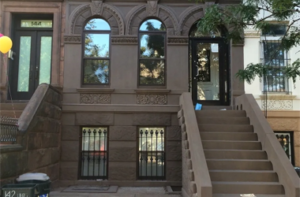
If you own a brownstone in Brooklyn, you know the rules change. Not dramatically, not every year, but often enough that keeping up feels like a part-time job. The Landmarks Preservation Commission just updated their guidelines, and there’s actually some good news in there.
What are the new LPC guidelines in NYC for 2026? The short answer is faster approvals for certain projects and stricter rules for others. Solar panels and energy upgrades just got easier. Facade repairs? Still need to be done right, with the right materials.
This guide breaks down everything that changed and what it means for your brownstone. No jargon, just the stuff you actually need to know.
What Changed in NYC LPC Guidelines for 2026
Before we dive into details, here’s the high-level view of what’s different this year. The LPC made three big shifts.
- Sustainability gets faster. Solar panels, high-performance windows, and flood-proofing measures now qualify for staff-level review. That means weeks instead of months waiting for approval.
- Facade rules got stricter. Brownstone repair still requires historically accurate materials. Lime-based mortars only. Modern substitutes won’t pass review.
- Digital tools improved. The NYC LPC map now lets you click any building and see its original designation photos. Helpful when you’re trying to match what was there 150 years ago.
New LPC regulations NYC focus on balancing preservation with modern needs. The NYC landmark building regulations 2026 make it easier to upgrade your home’s energy efficiency while keeping its historic character intact.
If you’re wondering about Brooklyn brownstone renovation permits, the process hasn’t changed dramatically. But these updates affect what you can do and how fast you can do it.
Understanding the NYC Landmarks Preservation Commission (LPC)
If you’re planning work on a Brooklyn brownstone, you need to understand who’s in charge of what you can and can’t change.
The NYC LPC is the city agency that protects architecturally and historically significant buildings. That includes individual landmarks and entire historic districts. Park Slope, Brooklyn Heights, Fort Greene, all of them fall under LPC oversight.
NYC Landmarks Preservation Commission guidelines cover everything from window replacements to cornice repairs. The goal isn’t to stop you from improving your home. It’s to make sure changes respect what made the building special in the first place.
The New York landmarks list includes over 38,000 properties across the five boroughs. Your brownstone might be on it even if you didn’t know. The LPC designation reports tell you exactly what’s protected on your property and why.
The commission has been around since 1965, created in response to the demolition of Penn Station. Since then, they’ve reviewed thousands of applications and helped preserve the character of neighborhoods that make Brooklyn unique.
Do You Need LPC Approval for a Brooklyn Brownstone Renovation?
This is the question that stops a lot of homeowners mid-plan. The answer depends on what you’re doing and where your building sits.
Do I need LPC approval to renovate a brownstone in Brooklyn? If your property is in a historic district or designated as an individual landmark, the answer is yes for anything visible from the street. Windows, doors, stoops, cornices, even the color you paint your front facade. All of it needs review.
Interior work is different. The LPC generally doesn’t care what happens inside your home unless the interior itself is landmarked, which is rare for residential brownstones. You can gut renovate your kitchen, redo bathrooms, move walls (with DOB approval) without involving the commission.
The Brooklyn brownstone LPC rules draw a clear line. Street-facing exterior changes require permits. Rear yard additions might need review if visible from anywhere public. Rooftop work gets scrutinized if neighbors can see it.
Understanding this distinction before you start saves headaches. Design your interior freely, but plan your exterior carefully with NYC LPC application guidelines in mind.
Key 2026 LPC Rule Changes Every Owner Must Know
The 2026 updates aren’t just bureaucratic shuffling. They change how you approach certain projects. Here’s what’s different.
Sustainability and Climate Resiliency Updates
Good news if you’ve been wanting to add solar panels. The LPC now offers expanded staff-level review for solar installations, high-performance windows, and flood-proofing measures. That means faster approvals. No more waiting months for something that helps the environment and your energy bills.
New LPC guidelines for 2026 specifically call out these sustainability upgrades as priorities. The commission wants to help historic homes adapt to climate change while preserving their character.
Facade and Masonry Requirements (Stricter Than Ever)
Here’s where the rules tightened. Brownstone repair now requires historically accurate materials with no exceptions. You need lime-based mortars that match the original composition. Modern Portland cement mixes will get rejected.
The risk of ignoring this is real. Use the wrong materials and you’re looking at Stop Work Orders and violations that follow the property forever.
Windows, Doors, and Visible Exterior Changes
The LPC guidelines now offer more flexibility for energy-efficient windows, as long as they maintain the original aesthetic. You can upgrade to better glass, better seals, better performance, but the sightlines and materials need to look right from the street.
LPC NYC guidelines for doors follow the same logic. Replacements should match what was there originally. If you’re unsure what that is, the new mapping tools can help you find historic photos.
Step-by-Step: How to Get LPC Approval Faster in 2026
The approval process doesn’t have to drag on for months. Here’s how to move through it efficiently this year.
Steps to get LPC approval for brownstone renovation follow a clear path:
- Check your status first. Use the NYC LPC map to confirm if your property is designated. Don’t assume. Check.
- Review the latest guidelines. What worked in 2020 might not fly in 2026. Start with the current rules.
- Prepare complete documentation. Photos of existing conditions, detailed drawings, material specifications. Missing pieces cause delays.
- Submit through Portico. The online portal is where everything happens. Create an account, upload files, pay fees.
- Respond quickly to feedback. LPC staff may ask for clarifications or adjustments. The faster you reply, the faster you move forward.
Portico LPC is the system you’ll use to track your application from submission to approval. It’s not the most intuitive platform, but it’s where everything lives. Take time to learn it before you file.
The NYC landmarks map has been updated for 2026 with new features. You can now click any building and see its original designation photos. That’s gold when you’re trying to match historic details.
Following these steps doesn’t guarantee approval, but it guarantees you won’t get rejected for preventable reasons.
Using Portico LPC and NYC Landmark Mapping Tools
The LPC has made real progress with their digital tools. Knowing how to use them saves time and frustration.
Portico LPC is the online portal where all permit applications live. You’ll create an account, upload documents, track your application status, and eventually download your approved permits. It’s not the most beautiful system, but it works. Take a few minutes to explore before you file. Click around. See where things live. It’ll save you from panic-clicking later.
The NYC landmarks map got a significant upgrade for 2026. You can now click on any building footprint and pull up its original designation photos. That’s incredibly helpful when you’re trying to match historic details like window configurations, cornice profiles, or stone textures. No more guessing what used to be there.
For official correspondence or in-person visits, the NYC LPC address is:
Municipal Building
1 Centre Street, 9th Floor
New York, NY 10007
Most business happens online now, but it’s good to know where they live if you need to send something physical or request records in person.
These tools put everything you need at your fingertips. Use them.
Common Mistakes That Delay LPC Approvals (and How to Avoid Them)
The LPC process isn’t designed to trip you up, but certain mistakes guarantee delays. Here’s what to watch for.
Wrong Materials
This is the biggest one. Using modern mortar where lime-based is required. Installing vinyl windows when wood is the only approved option. Submitting stainless steel where wrought iron belongs. The LPC has specific expectations, and guessing wrong means starting over.
Incomplete Applications
Missing photos, vague drawings, no material specifications. Staff can’t approve what they can’t see. A complete file moves fast. A partial one sits in a queue waiting for you to fix it.
Skipping LPC Review Entirely
Some homeowners assume small changes won’t be noticed. They are. And when the commission finds unapproved work, you’re not just delayed. You’re in violation, facing fines and forced corrections.
Ignoring Historic Details
The LPC cares about proportions, sightlines, and profiles. If your new window matches the size but the muntins are thicker than the original, they’ll catch it. Study what was there. Match it exactly.
The steps to get LPC approval for brownstone renovation work when you follow them. Skip steps or cut corners, and you’ll learn why those steps exist in the first place.
2026 Compliance Checklist for Brownstone Owners
Use this checklist to stay on track before you start any exterior work.
- Confirm landmark status. Check the NYC LPC map. Know whether you’re in a historic district or an individual landmark.
- Review current LPC guidelines. What was allowed five years ago might not be today. Start fresh.
- Identify the right permit type. Minor repair or major alteration? PMW or CofA? Know before you file.
- Prepare complete documentation. Photos, drawings, material specs. No gaps, no guesses.
- Submit through Portico. Create your account, upload everything, pay fees, track progress.
- Respond to feedback quickly. Staff questions aren’t rejections. Answer fast to keep moving.
- Coordinate with DOB if needed. Some projects need both approvals. Don’t assume one covers everything.
- Keep records after approval. Save permits, correspondence, and final photos. You’ll need them someday.
But again. Following this checklist won’t guarantee approval, but it guarantees you won’t get rejected for missing the obvious stuff.
Conclusion
The 2026 LPC updates bring good news for brownstone owners. Solar panels and energy upgrades now move faster through staff-level review. Digital tools let you pull up historic photos with a single click. But facade rules remain strict, requiring historically accurate materials and careful documentation. Check your status, prepare complete applications, file through Portico, and respond quickly to feedback. Follow the steps and your project moves forward.
If navigating LPC guidelines sounds like more than you want to take on, Liyana Construction NYC can help. We provide professional Brownstone Restoration Services with a licensed and insured team that handles all the permits so you don’t have to. Call us at (917) 554-8282 or visit https://liyanaconstruction.com/brownstone-restoration/ to learn more.
FAQs
1. What are the new LPC guidelines in NYC for 2026?
The 2026 updates focus on faster approvals for sustainability projects like solar panels and stricter rules for facade materials to maintain historical accuracy.
2. Do I need LPC approval for all brownstone renovations in Brooklyn?
No. LPC approval is only required for exterior work visible from the street. Interior renovations typically do not need LPC review.
3. How long does LPC approval take in 2026?
Staff-level approvals can take a few weeks, while full commission reviews may take several months depending on project complexity.
4. Can I install energy-efficient windows in a landmark building?
Yes, but they must match the original design and appearance while meeting LPC guidelines for historic accuracy.
5. How do I apply for an LPC permit in NYC?
You must submit your application through the Portico LPC system, including all required documents like drawings, photos, and material specifications.