


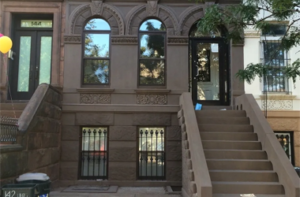
You’ve got cracks running across your front steps. Maybe a chunk of stone has broken off near the railing. You call a few contractors, get some quotes, and pick the one with the best price. A week later, the steps look great. Six months later, the cracks are back. Or worse, the whole surface is flaking off.
This is the reality of brownstone stoop repair in Brooklyn. Cheap fixes that look good for a season then fail. And most homeowners never know what hit them until it’s too late.
This guide pulls back the curtain on what contractors don’t tell you about stoop repair. The shortcuts they take. The materials they shouldn’t use. The truths that keep your stoop standing for decades instead of crumbling in years.
Why Brownstone Stoop Repair Is More Complex Than It Looks
You’d think fixing a few steps would be straightforward. Mix some mortar, smooth it on, call it done. But brownstone stoops are nothing like concrete sidewalks or brick patios.
Masonry stoop repair on a historic brownstone requires understanding the material itself. Brownstone is a soft, porous sandstone. It absorbs moisture easily and releases it slowly. Use the wrong repair material and you trap that moisture inside. The freeze-thaw cycle does the rest, cracking and flaking the stone from within.
Here’s what most contractors won’t tell you:
| What They Say | The Truth |
| “We’ll resurface it. Looks brand new.” | Resurfacing without proper prep fails in 1-2 years |
| “Portland cement works fine.” | It’s too hard, traps moisture, destroys the stone |
| “We’ll patch the cracks.” | Patches crack out if the base wasn’t sound |
| “We can do it in a weekend.” | Proper curing takes weeks, not days |
To repair brownstone stoop in a way that lasts starts with understanding what you’re dealing with. The stone is old. It’s been through a hundred winters. It needs materials that breathe, techniques that bond, and time to cure.
A quick coat of tinted cement might look good for a season. But brownstone crack repair that actually holds requires removing all the damaged material down to sound stone, then building back up in layers. That’s not a weekend job. It’s craftsmanship.
The Most Common Brownstone Stoop Problems Homeowners Face
Before you can fix a stoop, you need to know what’s actually wrong. Here are the issues that show up most often.
Cracks and surface disintegration
Small cracks seem harmless. But water finds them. In winter, that water freezes and expands. The crack widens. Water gets deeper. The cycle repeats until chunks of stone start falling off.
Water damage and freeze-thaw cycles
This is the silent killer of brownstone stoops. Water seeps into tiny pores in the stone. When it freezes, it expands. When it thaws, it contracts. Each cycle breaks down the stone from the inside. You might not see the damage until the surface starts spalling away.
Loose mortar joints
Mortar holds the whole assembly together. When it starts crumbling, stones shift. Water gets behind them. The structure becomes unstable. A loose step isn’t just ugly. It’s dangerous.
Hollow or delaminating surfaces
Tap your stoop with your knuckles. If certain spots sound hollow, the surface layer has separated from the base. That’s delamination. It means the repair from years ago is failing, and whatever is underneath is about to come loose.
Front stoop repair isn’t just about making things look better. It’s about fixing what’s failing before someone gets hurt or the damage spreads beyond repair. And stoop repair Brooklyn contractors who know what they’re doing start with a real diagnosis, not just a quick patch.
What Contractors Won’t Tell You About Brownstone Stoop Repair
Let’s get into the secrets. The things contractors know but hope you never find out.
1. Cheap resurfacing is a bandaid, not a fix
A quick coat of tinted cement looks great for a season. Maybe two. Then it starts cracking, delaminating, and looking worse than before you started. Real repair means chipping down to solid substrate, not just covering up what’s already failing.
2. Substrate prep is the most skipped step
To repair properly, you need to remove all damaged material until you hit sound stone. Cuts should be at least an inch deep. No feather edges where the repair tapers to nothing. That’s where cracks start. A contractor who skips this is setting you up for failure.
3. Portland cement destroys brownstone
It’s cheap. It’s fast. It’s wrong. Portland cement is too hard and traps moisture inside the stone. The freeze-thaw cycle does the rest. Within a few years, your “repair” becomes the cause of more damage. You want hydraulic lime mortar or specialty materials like Jahn that breathe and flex with the stone.
4. Curing time is non-negotiable
A proper repair needs a slurry coat, a scratch coat, and a finish coat. Each layer needs time to cure. The scratch coat alone should cure for days or weeks before the final color layer goes on. A contractor who promises to finish in a weekend is rushing a job that shouldn’t be rushed.
5. Paint hides bad work
If your contractor is eager to paint your stoop after repair, ask why. Sometimes paint is used to cover mismatched patches, poor blending, or inferior resurfacing. There’s a place for protective coatings, but paint shouldn’t be a disguise for bad workmanship.
6. Drainage gets ignored
Water is the enemy. If your stoop doesn’t shed water properly, no repair will last. Good contractors improve drainage, not just aesthetics.
These secrets contractors won’t tell about stoop repair are why so many Brooklyn homeowners end up paying twice for the same work.
The Correct Brownstone Stoop Repair Process (Step-by-Step)
Now that you know what to watch out for, here’s what the right process actually looks like.
Step 1: Inspection and structural evaluation
A proper repair starts with a thorough look at what’s underneath. A brownstone stoop repair contractors worth hiring will check for hollow spots, loose stones, and underlying structural issues. They’ll look at the brickwork beneath the stoop, which often needs attention too.
Step 2: Chipping down to substrate
All damaged material gets removed until solid, sound stone is reached. Cuts go at least an inch deep. Edges are cut square, not feathered. This creates a stable base for new material to bond to.
Step 3: Applying scratch coat
The first layer is a rough coat that keys into the substrate. It’s applied with texture to give the next layers something to grip. This coat needs time to cure. Rushing it leads to failure.
Step 4: Proper curing time
Here’s where the timeline differs from what cheap contractors promise. The scratch coat should cure for days or weeks depending on conditions. A rushed job is a failed job.
Step 5: Finish coat application
The final layer is applied once the base is fully cured. It’s mixed to match the original color and texture. This is the coat that makes your stoop look whole again.
Step 6: Sealing and protection
A proper finish includes sealing to protect against water penetration, but without trapping moisture inside. The right sealant is breathable.
Brownstone steps repair done right takes time. Expect weeks, not days. But that patience pays off in a repair that lasts decades instead of years.
Brownstone Stoop Repair Cost in NYC (Real Breakdown)
Let’s talk money. Because hidden costs of stoop repair are where homeowners get blindsided.
The range is wide. A simple tune up repair stoops might run $1,500 to $3,000. A full resurfacing of a standard Brooklyn brownstone stoop typically lands between $4,000 and $8,000. If the damage extends into the structure underneath, with brickwork needing replacement, you’re looking at $8,000 to $15,000 or more.
How much does brownstone stoop repair cost in NYC? Here’s a realistic breakdown:
| Scope | Typical Range |
| Minor crack repair and repointing | $1,500 – $3,000 |
| Full resurfacing (4-6 steps) | $4,000 – $7,000 |
| Full resurfacing (10-12 steps) | $6,000 – $10,000 |
| Structural rebuild (including under-stoop brickwork) | $8,000 – $15,000+ |
Brownstone stoop repair cost varies based on several factors:
- Size. More steps, more money. A tall stoop with 12 steps costs more than a short one with 4.
- Damage depth. Surface resurfacing is cheaper than chipping down to the substrate and rebuilding from scratch.
- Materials. Jahn mortar and other specialty materials cost more than standard mixes but last longer.
- Access. If scaffolding is needed, add cost. If work can be done from ladders, it’s cheaper.
- Location. Stoop repair NYC rates vary by neighborhood. Brooklyn contractors working in historic districts often charge more because they know the requirements.
Brownstone entry steps repair is not the place to bargain hunt. A cheap bid now usually means a bigger bill later when the work fails.
Do You Need Permits for Stoop Repair in NYC?
Here’s something many homeowners don’t think about until it’s too late. Do you need permits for stoop repair in NYC? The answer depends on what’s being done.
If your stoop repair is purely cosmetic, like patching a few small cracks, you might not need a permit. But if the work involves structural elements, like replacing stone or rebuilding steps, you almost certainly do.
For historic properties in landmark districts, the rules are stricter. The Landmarks Preservation Commission (LPC) has to approve any exterior work. This includes brownstone stoop repair Brooklyn projects in neighborhoods like Park Slope, Brooklyn Heights, and Fort Greene.
The risk of skipping permits is real. You could face stop work orders, fines, and orders to undo what was done. Worse, unpermitted work can come up during a sale, scaring off buyers or forcing you to lower your price.
A good contractor will handle permits for you. They’ll know when LPC approval is needed and how to get it. If a contractor says “we don’t need permits” without asking about your building’s status, that’s a red flag.
Concrete stoop repair on a non-landmarked building may only need DOB permits. Brick stoop repair on a historic building needs LPC approval. Cement stoop repair that changes the appearance of a landmarked property requires both. Know what applies before work starts.
Stop Guessing. Start Restoring.
A proper brownstone stoop repair isn’t about quick patches or cheap materials. It’s about chipping down to solid substrate, using breathable lime-based mortars, letting each layer cure properly, and respecting the historic material. The shortcuts contractors take cost you more in the long run. The right process takes time, but it lasts decades. Know the signs, ask the right questions, and don’t settle for less.
If you’re ready to stop guessing and start restoring, Liyana Construction NYC can help. We provide professional Brownstone Restoration Services with a licensed and insured team that handles interior and exterior repairs so you’re never caught off guard. Call us at (917) 554-8282 or visit https://liyanaconstruction.com/brownstone-restoration/ to learn more.
Frequently Asked Questions
1. How long does brownstone stoop repair last?
A properly done brownstone stoop repair can last 15–25 years. Cheap resurfacing may fail within 1–3 years.
2. Can cracked brownstone steps be repaired or do they need replacement?
Most cracks can be repaired if the substrate is sound. Severe structural damage may require partial or full rebuild.
3. How long does stoop repair take in NYC?
Quality brownstone stoop repair typically takes 2–4 weeks due to proper curing time between layers.
4. What is the best material for brownstone stoop repair?
Hydraulic lime mortar or specialty mixes like Jahn mortar are best because they are breathable and compatible with historic stone.
5. Can stoop repair be done in rain or cold weather?
No. Moisture and low temperatures can ruin curing, leading to cracks and premature failure.