


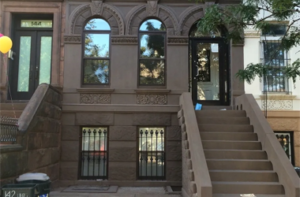
You own a brownstone in Brooklyn. Maybe you’re planning some work. New windows, a rear extension, maybe just some facade repairs. Then someone mentions the LPC, and suddenly you’re not sure what you can and can’t do.
Here’s the thing. The Landmarks Preservation Commission isn’t there to make your life difficult. They’re there to make sure the character of your neighborhood stays intact. But you need to understand how they work before you start any project.
This guide explains what is LPC in NYC, what it means for your home, and how to navigate the rules without losing your mind.
What Is the NYC Landmarks Preservation Commission (LPC)?
Let’s start with the basics. The Landmarks Preservation Commission is the city agency responsible for protecting New York landmarks. If a building or neighborhood has special architectural or historical value, the LPC makes sure it stays that way.
The commission covers all five boroughs, but in Brooklyn it touches a lot of homes. Park Slope, Brooklyn Heights, Fort Greene, Cobble Hill. These neighborhoods are filled with historical places in NYC that the LPC oversees. If you live in one of them, your property is likely in a historic district.
Landmarks Preservation Commission staff includes architects, historians, and preservationists who review proposed changes to landmarked properties. They’re not trying to block your renovation. They’re trying to make sure it fits the character of the neighborhood.
The agency is run by 11 commissioners appointed by the mayor. They’re supported by about 80 full-time staff who handle everything from research to permit reviews. Together, they’re responsible for over 38,000 landmark properties across the city.
Old NYC buildings make up a big part of what they protect. But landmark status isn’t just about age. It’s about significance. A building might be landmarked because of its architecture, its history, or its role in the neighborhood.
The History Behind the NYC Landmarks Law
To understand why the LPC exists, you have to go back to 1963. That’s when Pennsylvania Station came down.
The original Penn Station was a masterpiece. Designed by McKim, Mead & White, it was one of the grandest buildings in the city. People arrived in New York through its soaring columns and vast waiting hall. It made an impression.
Then they tore it down to build Madison Square Garden. The public was outraged, but it was too late. The building was gone. That loss sparked a movement to protect what was left.
In 1965, the city passed the NYC Landmarks Law. It was the first law of its kind in the country. It gave the LPC real power to designate and protect buildings with historical or architectural significance.
What is the landmarks preservation law in NYC? It’s the legal framework that allows the LPC to review changes to landmarked properties. It sets the rules for what can and can’t be done. It’s why your neighbor can’t just replace their historic windows with cheap vinyl ones.
NYC historical sites like Grand Central Terminal were saved because of this law. In 1978, the Supreme Court upheld the city’s right to protect landmarks, even against property owners who wanted to build something new on top. That case set an example that still stands today.
What Counts as a Landmark in New York City?
Not all landmarks are the same. The LPC recognizes four different types, and each comes with its own set of rules.
| Landmark Type | What It Protects | Example |
| Individual Landmark | Exterior of a single building | A historic brownstone, church, or public building |
| Historic District | Groups of buildings with cohesive character | Park Slope, Brooklyn Heights, Fort Greene |
| Interior Landmark | Interior spaces open to the public | The lobby of the Woolworth Building |
| Scenic Landmark | City-owned parks and landscapes | Prospect Park, Central Park |
Brooklyn landmarks fall into all these categories. You might own an individual landmark brownstone, or your home might sit inside a historic district. The rules apply either way, though they’re slightly different for each.
Historical landmarks in NYC aren’t just famous buildings you’d find in a guidebook. They include everyday structures that contribute to the character of a neighborhood. A row of identical brownstones can be just as significant as a grand public library.
A map of New York city with landmarks shows clusters of protected properties all over Brooklyn. The brownstone neighborhoods are almost entirely covered. If you’re near Prospect Park, you might also be in a scenic landmark area.
How to Check if Your Brooklyn Home Is a Landmark Property
Before you start planning any work, you need to know where your property stands. The good news is the city makes it easy to check.
Start with the NYC LPC map. It’s an online tool that shows every landmark and historic district across the five boroughs. Enter your address and you’ll see if your property is designated.
Discover NYC landmarks map is another name for the same tool. You can zoom in, click on properties, and get detailed information about landmark status. It’s the most reliable way to confirm what you’re dealing with.
The Landmark search tool on the LPC homepage lets you look up specific addresses or browse by neighborhood. If you’re not sure about the map, this is a good backup option.
Landmarks on map appear in different colors. Historic districts are shaded areas. Individual landmarks are marked with pins. A quick glance tells you what you need to know. Apart from that, New York landmarks map also shows you what’s nearby. Even if your property isn’t landmarked, you might be next to one that is. That doesn’t affect your home, but it’s good to know.
What Landmark Status Means for Your Brooklyn Home
You’ve checked the map and confirmed your home is landmarked. Now what?
What does landmark status mean in NYC? In simple terms, it means you can’t make changes to the exterior of your home without approval from the LPC. The goal is to preserve the architectural character that makes your neighborhood special.
For Brooklyn homeowners, this affects a lot of common projects. Windows, doors, stoops, fences, roofing, and any visible changes to the facade all need a review. Even replacing something that’s damaged might require approval if the replacement doesn’t match what was there.
The good news is that the rules apply to everyone. Your neighbor can’t do something that ruins the look of the block, and neither can you. That consistency is what protects property values over time.
NYC Landmarks Preservation Commission guidelines spell out what’s allowed and what’s not. They’re detailed, but the principle is simple. Repair over replace. Match original materials when you can. Keep the character intact.
Some homeowners worry this means they can’t do anything. That’s not true. People add rear extensions, update kitchens, and restore facades all the time in landmark districts. You just need to go through the process and follow the rules.
What Changes Require LPC Approval?
If your home is landmarked, you need approval for most exterior changes. Here’s what typically needs a review:
| Type of Work | Does It Need LPC Approval? |
| Window replacement | Yes, must match original style and materials |
| Door replacement | Yes, especially front doors and visible entries |
| Facade repairs | Yes, including repointing, stone work, cleaning |
| Stoop work | Yes, any changes to steps, railings, or areaways |
| Roofing | Yes, if visible from the street |
| New additions | Yes, rear extensions, rooftop additions |
| Fences and gates | Yes, if visible from public way |
| Painting | Only if changing color of previously painted masonry |
| Interior work | Usually no, unless it’s an interior landmark |
What can a homeowner do without a permit in NYC? Not much when it comes to the exterior. Even small changes like replacing a light fixture or installing a new mailbox might need a review if they affect the character of the building.
The LPC publishes detailed NYC Landmarks Preservation Commission guidelines for each type of work. They cover everything from brickmold profiles to acceptable paint colors. It’s a lot to digest, which is why most homeowners work with architects or contractors who know the system.
Understanding the LPC Approval Process
You know what needs approval. Now let’s talk about how you actually get it.
Step 1 – Design your plans. Work with an architect or contractor who understands historic preservation. They’ll help you create a design that meets both your needs and LPC standards. This step takes time. Don’t rush it.
Step 2 – Submit through NYC LPC Portico. The lpcweb portal is where applications go. You’ll upload drawings, photos, and a description of your proposed work. The system tracks everything from submission to approval.
Step 3 – Staff review. For straightforward projects, Landmarks Preservation Commission staff will review your application and either approve it or ask for changes. This can take a few weeks to a couple of months depending on their workload.
Step 4 – Commission hearing. If your project is complex or involves major changes, it may need to go before the full commission. This means a public hearing where you or your architect present the plans and answer questions. It adds time but it’s part of the process for bigger jobs.
Step 5 – Approval. Once approved, you’ll get the official notice. Then you can pull DOB permits and start your work. Keep all your approvals handy. You’ll need them.
The whole process can take anywhere from a few weeks to several months. Plan accordingly.
Where to Contact the NYC Landmarks Preservation Commission
If you need help or have questions, the LPC has resources available.
The official LPC website is your first stop. You’ll find the landmark search tool, application guides, and contact information all in one place. Bookmark it before you start your project.
For in-person questions, the NYC LPC address is:
Municipal Building
1 Centre Street, 9th Floor
New York, NY 10007
That’s in Manhattan, but you don’t need to go there for most things. The website and online portals handle the bulk of applications and inquiries.
The Landmark search tool on the LPC homepage is the quickest way to check your property status. Enter your address and you’ll know within seconds if you’re in a historic district or if your building is an individual landmark.
If you get stuck, you can also call or email. The staff are generally helpful, though they’re busy. Be patient and have your property information ready when you reach out.
Conclusion
The LPC exists to protect what makes Brooklyn special. Its rules can feel overwhelming at first, but they’re there for a reason. Check your property status on the NYC LPC map. Understand what needs approval and what doesn’t. Follow the process, whether that means a simple staff review or a full commission hearing. Do it right and your home stays beautiful and your neighborhood stays intact.
If dealing with the LPC sounds like more than you want to take on, Liyana Construction NYC can help. We provide professional Brownstone Restoration Services with a licensed and insured team that handles all the LPC approvals so you don’t have to. Call us at (917) 554-8282 or visit https://liyanaconstruction.com/brownstone-restoration/ to learn more.
FAQs
1. What is LPC in NYC?
The New York City Landmarks Preservation Commission (LPC) is the city agency responsible for protecting historic buildings and neighborhoods. It reviews and approves changes to landmarked properties to ensure their architectural and historical character is preserved.
2. What does landmark status mean in NYC?
Landmark status means your building or neighborhood has historical or architectural significance. If your property is landmarked, exterior changes must be reviewed and approved by the LPC before work begins.
3. How do I check if my building is landmarked in New York City?
You can check your property by using the official NYC LPC Map or the address search tool available on the LPC website. Enter your address to see if your home is an individual landmark or part of a historic district.
4. Do I need LPC approval to renovate my Brooklyn brownstone?
Yes, most exterior work, such as replacing windows, repairing a façade, changing doors, or adding extensions, requires LPC approval before construction can begin.
5. What happens if I do work on a landmarked building without approval?
Unauthorized work on a landmarked property can result in violations, fines, and orders to restore the building to its original condition according to LPC requirements.