


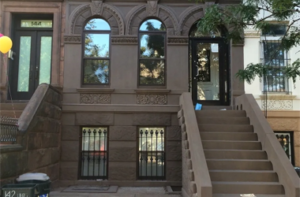
You finally saved up for the facade work your brownstone has been begging for. New mortar, patched stone, maybe even restoring that cornice that’s been crumbling for years. You call a contractor, get a quote, and then comes the question: “Have you filed with LPC yet?”
If you’re drawing a blank right about now, you’re not alone. Most homeowners don’t realize that exterior facade work on a landmarked property requires approval before anyone picks up a trowel.
This guide breaks down exactly what is LPC permit and walks you through the process step by step. No ifs and buts, just clear instructions to get your project approved.
Step 1: Confirm Your Property’s Landmark Status
Before you do anything else, you need to know where your property stands. Not every building in Brooklyn needs LPC approval. Only those designated as landmarks or sitting inside historic districts.
Start with the NYC LPC map. It’s an online tool run by the Landmarks Preservation Commission. Enter your address and you’ll see instantly if your property is:
- An individual landmark
- Inside a historic district
- Outside LPC jurisdiction entirely
This step matters more than you’d think. Historic district boundaries can be surprisingly specific. One side of the street might be protected while the other isn’t. Your block might be designated while the next block over is free and clear. Guesswork cost time and money.
LPC permit search by address is another way to check. You can look up your property in the LPC database to see if there are existing permits or violations. This gives you a head start on understanding what’s already been approved or flagged.
If the map shows you’re not in a landmark area, you can proceed with standard Department of Buildings permits. If you are designated, keep reading. The rest of this guide is for you.
Step 2: Understand LPC Permit Types
Not all LPC permits are the same. The type you need depends entirely on what you’re planning to do. Here’s a breakdown of the main LPC permit types and when they apply.
| Permit Type | What It Covers | Typical Timeline | Examples |
| Permit for Minor Work (PMW) | In-kind repairs, restoration, maintenance | Weeks | Repointing, patching, brownstone resurfacing |
| Certificate of Appropriateness (CofA) | Alterations affecting character-defining features | Months | Window replacement, stoop alterations, cornice work |
| Certificate of No Effect (CNE) | DOB-required work not affecting protected features | 30 days | Structural work, interior changes with no exterior impact |
LPC permit for minor work is the most common way for straightforward facade repairs. If you’re matching existing materials and techniques, this is likely your path. The key is proving that your work is restoration, not alteration.
For more significant changes, a Certificate of Appropriateness is required. This involves more documentation, longer timelines, and sometimes a public hearing. The LPC permit application for a CofA needs to show exactly how your proposed changes respect the historic character of the building.
Understanding which LPC permit types applies to your project saves you from submitting the wrong paperwork and waiting months for a denial.
Step 3: Prepare Your Documentation
Once you know which permit type you need, it’s time to gather your materials. The LPC wants to see exactly what you’re planning before they approve anything. A complete application moves faster than one that makes them guess.
Here’s what you’ll typically need for an LPC permit application:
- Photos of existing conditions. Clear, well-lit images showing every area you plan to touch. Close-ups of damage, wide shots showing context. The more thorough, the better.
- Architectural drawings. Plans, elevations, and details of your proposed work. These should be professional quality, not sketches on napkins.
- Site plans. Showing how your property relates to the street and neighboring buildings. Context matters to the LPC.
- Material specifications. Exactly what you plan to use. Mortar type, stone source, paint colors. If you’re matching existing materials, prove it.
- Material samples. For visible work like brownstone patching or mortar matching, physical samples or test panels help the LPC see what you’re proposing.
Following LPC Guidelines is very important here. The commission publishes detailed rules about what’s acceptable for different types of work. Your documentation should show that you’ve read and understood them.
The more complete your documentation, the smoother the review.
Step 4: File Through LPC Portico
With your documents ready, it’s time to submit. Everything goes through the city’s online portal.
LPC Portico is where you’ll create an account, upload your application, and track your progress. If you’ve never used it before, give yourself some time to get familiar with the interface.
Here’s how it works:
- Go to the LPC Portico login page and create an account if you don’t have one.
- Select the appropriate application type based on your permit needs.
- Upload all your documentation: photos, drawings, specifications, and samples.
- Fill out the required forms describing your project and why it meets LPC standards.
- Submit and pay any applicable fees.
Once filed, you can use the system to check LPC permit status anytime. No more calling and waiting on hold. Just log in and see where things stand.
LPC permit search functionality within Portico also lets you look up past approvals for similar projects. This can be helpful if you’re unsure about what the commission might accept.
A few tips for smooth filing:
- Make sure all files are in accepted formats (PDF for documents, JPG for photos).
- Label everything clearly so reviewers know what they’re looking at.
- Double-check that you’ve answered every question before hitting submit.
A complete application is a fast application.
Step 5: LPC Review Process
You’ve filed. Now you wait. But understanding what happens during review helps you know what to expect.
The review pathway depends on what you’re asking for.
| Review Type | What It Means | Typical Timeline |
| Staff Approval / FastTrack | Simple, in-kind repairs that clearly meet guidelines | 10 days |
| Certificate of No Effect (CNE) | Work requiring DOB permit but no exterior impact | 30 days |
| Certificate of Appropriateness (CofA) | Major alterations or changes to character-defining features | Several months |
How long does it take to get an LPC permit in NYC? The short answer is anywhere from 10 days to several months. Simple repointing with matching materials might breeze through in two weeks. A controversial rooftop addition could take half a year.
During review, LPC staff may come back with questions or requests for more information. This is normal. They might want to see additional photos, clarify a detail, or suggest modifications to your design. Respond quickly to keep things moving.
If your project requires a CofA, there may be a public hearing. This involves presenting your plans to the full commission. Community board input might also be part of the process. Your architect or contractor should handle this if they’re experienced with landmark work.
Throughout the process, you can log into Portico to check your LPC permit status. No need to wonder where things stand.
Step 6: Receive Your Permit and File With DOB
Approval letter in hand. Feels good, right? But you’re not quite done yet.
Once the LPC signs off, you’ll download your approved permit from Portico. Keep this file safe. You’ll need it for the next step.
Some exterior facade work also requires permits from the Department of Buildings. This is especially true for structural work, like replacing lintels or extensive parapet repairs. The NYC LPC permit search function won’t show DOB requirements, so you need to check separately.
If DOB permits are needed, you file using your LPC approval as supporting documentation. The two agencies work together, but they don’t share files automatically. You have to coordinate.
Once you have all your permits in hand:
- Print copies to post on-site as required by law
- Keep digital backups for your records
- Schedule your work knowing everything is approved
What happens if I perform exterior facade work without a permit? The short answer is nothing good. Stop work orders, fines, and violations that follow the property forever. Don’t risk it.
LPC Permit Guidebook has detailed information about coordinating with DOB. Check it if you’re unsure whether your project needs both approvals.
Step 7: Execute the Work and Close Out
You’ve got your permits. Now comes the part you’ve been waiting for. Actually doing the work.
But even during construction, there are rules to follow.
Keep your approved permit posted on-site where it’s visible. Inspectors may stop by to check that the work matches what was approved. If they find discrepancies, you could be looking at LPC violations and all the headaches that come with them.
Document everything as you go. Photos of each stage, notes on materials used, any unexpected issues that came up. This record protects you if questions arise later.
Once the work is complete, some projects require a final inspection. The LPC may want to see that the finished product matches what you promised. If everything checks out, they’ll close out the file.
How much do LPC permits cost in NYC? Fees vary based on the scope of work. Minor applications might run a few hundred dollars. Major projects with public hearings can cost more. Check the latest fee schedule on the LPC website for exact numbers.
The whole process might feel like a lot of paperwork, but there’s a reason for it. Your brownstone is part of what makes Brooklyn special. Doing the work right keeps it that way.
Conclusion
Getting an LPC permit for exterior facade work takes eight steps. Check your status on the NYC LPC map. Understand which permit type applies. Gather your documentation. File through Portico. Wait through review. Coordinate with DOB if needed. Execute the work correctly. Follow the rules to avoid violations. Each step builds on the last. Follow them all and your project moves forward. Skip one and you’re asking for trouble.
If dealing with LPC permits sounds like more than you want to take on, Liyana Construction NYC can help. We provide professional Brownstone Restoration Services with a licensed and insured team that handles all the LPC approvals so you don’t have to. Call us at (917) 554-8282 or visit https://liyanaconstruction.com/brownstone-restoration/ to learn more.
FAQs
1. What is an LPC permit?
An LPC permit is official approval from the NYC Landmarks Preservation Commission required for exterior work on landmarked buildings or within historic districts.
2. How do I check if my property needs an LPC permit?
Use the NYC LPC map or perform an LPC permit search by address to confirm landmark status and existing approvals.
3. How long does it take to get an LPC permit in NYC?
Simple repairs (PMW) can take around 10–14 days, while major projects requiring a Certificate of Appropriateness may take several months.
4. What happens if I perform exterior facade work without a permit?
You risk stop-work orders, fines, and violations that could affect future sales or refinancing.
5. How much do LPC permits cost in NYC?
Fees vary by project size: minor work may cost a few hundred dollars, while major projects with public hearings are higher. Always check the LPC fee schedule for the latest rates.